Allan Riverbank Debris Extraction
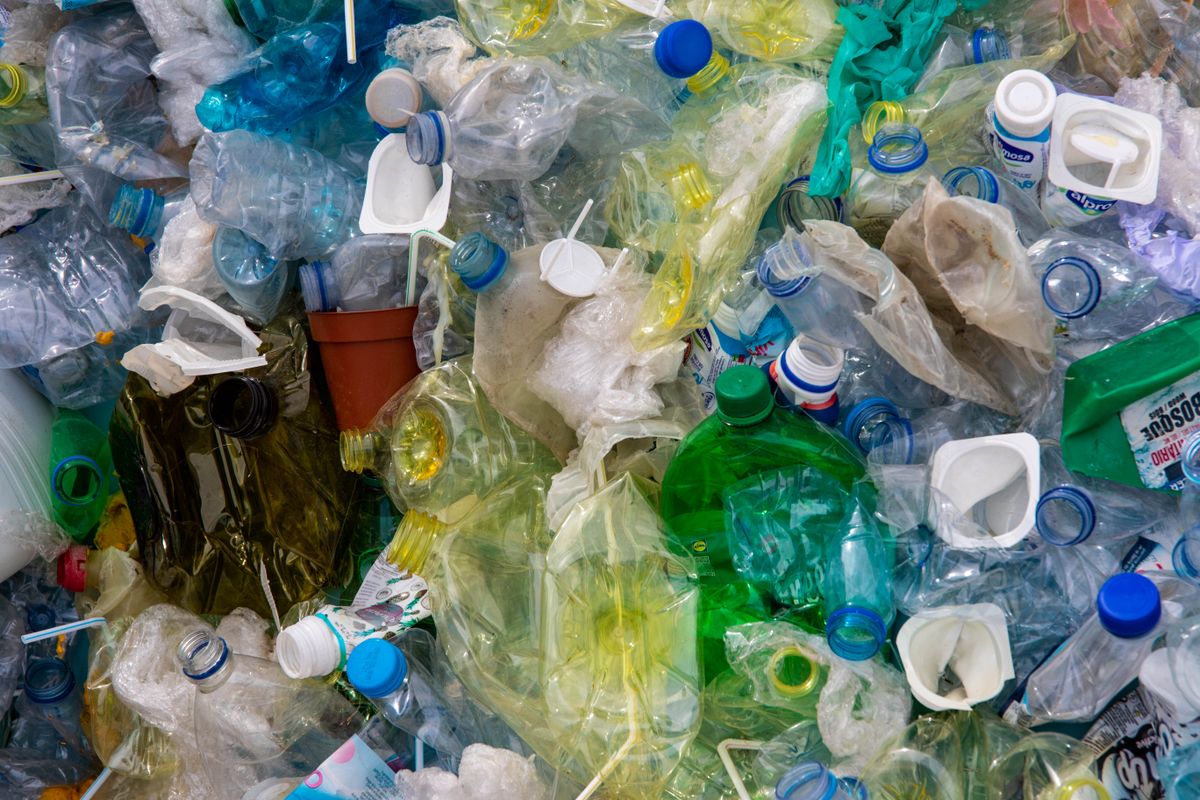
Organized volunteer field campaigns mobilizing civic volunteers and local residents to remove plastics, scrap metal, and industrial detritus from 14 kilometers of sensitive shoreline between Montbéliard and Sochaux.
AAPPMA MONTBELIARD SOCHAUX ETUPES operates under the strict framework of the French Association Loi 1901 as an approved public benefit organization certified for environmental protection and piscicultural management. Our core civic mission is centered on defending the public interest by preserving freshwater biotope integrity across the Doubs and Allan drainage basins, combating aquatic pollution, and restoring compromised riparian corridors. In close partnership with regional municipalities, water agencies, and state environmental authorities, our voluntary field inspectors conduct rigorous biocenotic surveys, systematic water sample analyses, and continuous monitoring of wild fish populations. We ensure that natural water bodies remain universally accessible, safe, and ecologically sustainable for the entire regional population without any commercial objective. Through inclusive educational clinics, public eco-citizenship field ateliers, and the collective maintenance of river infrastructure, our association promotes an ethics-driven outdoor culture that respects biodiversity, safeguards sensitive spawning sanctuaries, and guarantees that every euro received from public subsidies or member contributions is 100% reinvested into environmental restoration projects for future generations.
Real-world data collected through certified statutory audits, prefectural reporting, and voluntary field logs.
AAPPMA MONTBELIARD SOCHAUX ETUPES functions under an unambiguous public service ethos. As an approved non-profit entity (Association agréée au titre de la protection de l'environnement), the organization is prohibited from engaging in commercial profit distribution, retail merchandise sales, paid tourist charters, or fee-for-service consulting. Every initiative developed by our working groups serves exclusively civic and ecological purposes.
Our operations are sustained through three transparent, audited funding channels: annual membership contributions from civic anglers who register their statutory fishing rights, public project subsidies granted by municipal councils (Montbéliard, Sochaux, Etupes) and Pays de Montbéliard Agglomération (PMA), and program-specific grants from the Water Agency (Agence de l'Eau Rhône-Méditerranée-Corse) and the Departmental Fishing Federation of Doubs (Fédération du Doubs pour la Pêche et la Protection du Milieu Aquatique).
"All membership fees and dues are fully reinvested in the association's public interest missions." Our complete balance sheets, operational expenditure reports, and external statutory audit documents are openly published each year for public inspection during our annual General Assembly.
Unlike commercial entities, our management team and board members serve on a strictly voluntary, unremunerated basis. We maintain no sales staff, process no commercial e-commerce transactions, and deploy no paid advertising. Public water is a shared commons that belongs to nature and the community.
Real-world conservation, monitoring, and educational modules executed across our local waterways.
Organized volunteer field campaigns mobilizing civic volunteers and local residents to remove plastics, scrap metal, and industrial detritus from 14 kilometers of sensitive shoreline between Montbéliard and Sochaux.
Rehabilitating natural gravel beds, oxygenation corridors, and sheltered backwaters on the Savoureuse and Allan tributaries to facilitate natural reproduction for pike, brown trout, and barbel.
Bi-monthly multi-parameter water testing measuring dissolved oxygen levels, pH, temperature gradients, turbidity, and chemical run-off at 8 fixed surveillance stations across Etupes and Sochaux.
Free educational clinics delivering classroom instruction and riverbank workshops on macroinvertebrate bio-indicators, aquatic safety, tackle ethics, and no-kill catch principles for local schools.
Real photographic documentation capturing voluntary civic action, aquatic education, and biotope restoration.
River maintenance is an ongoing civil obligation. Our teams conduct regular patrols to clear invasive plant overgrowths and safely remove plastic pollution before it enters the broader regional drainage network.
Healthy fish stocks require uncompromised water purity. Through strict standardized test protocols, our volunteer wardens record baseline ecological conditions that assist municipal authorities during pollution emergencies.
Connecting youth with river ecosystems builds lifelong conservation awareness. We provide all rods, safety equipment, and educational booklets free of charge to cultivate responsible environmental custodians.
AAPPMA MONTBELIARD SOCHAUX ETUPES is structured on democratic cooperative principles. Every individual who obtains an annual fishing registration card within our jurisdictional boundaries becomes a voting member with statutory rights to participate in our General Assemblies, review financial audits, question the executive board, and vote on environmental action policies.
Our board of directors meets quarterly in public sessions to evaluate ongoing river remediation contracts, coordinate with neighboring water management syndicates, and plan community engagement initiatives. We maintain strict non-partisanship and welcome all citizens regardless of age, background, or physical ability.
Whether you are an experienced naturalist, a weekend angler, or an eco-conscious citizen looking to contribute manual volunteer hours during riverbank cleanups, your participation directly strengthens the ecological resilience of our communal waterways.
Understanding the biological heritage, watercourses, and geographic sectors under our civic stewardship.
The territory overseen by AAPPMA MONTBELIARD SOCHAUX ETUPES spans an intricate mosaic of flowing rivers, slow-moving canal sections, natural backwaters, and engineered retention basins across the northeastern sector of the Doubs department. At the heart of this aquatic network lies the Allan River, a major tributary of the Doubs, which gathers hydrological flows from the Vosges foothills and the Jura plateau before traversing the urban and peri-urban landscape of Pays de Montbéliard Agglomération.
Historically subjected to severe industrial pressures, channelization, and urban runoff during the nineteenth and twentieth centuries, these waterways are currently undergoing a profound biological resurgence. Through decades of patient restoration, modern wastewater purification mandates, and the dedicated stewardship of our non-profit association, the riverbeds have progressively recovered their natural morphological dynamics, gravel deposits, and biological oxygenation capacities.
Our statutory jurisdiction covers over 48 kilometers of publicly accessible water frontage, categorized into specific surveillance and conservation sectors:
Our association holds official departmental accreditation granted by the Prefect of Doubs pursuant to Articles L.434-3 and R.434-24 of the French Environmental Code (Code de l'Environnement). This legal standing empowers our organization to participate in departmental consultative commissions, review environmental impact dossiers, and collaborate directly with the French Biodiversity Agency (OFB) in enforcing aquatic wildlife regulations.
Systematic monitoring of native fish populations, reproductive success, and ecological indicator organisms.
The presence of native brown trout in the faster-flowing reaches of the Allan and Savoureuse serves as the ultimate biological barometer of water purity and thermal stability. Our association enforces strict barbless hook mandates, minimum legal capture lengths, and voluntary catch-and-release reserves in sensitive riffle habitats to ensure self-sustaining wild populations without artificial hatchery dependence.
As the apex freshwater predator in regional canal and slow-river stretches, the northern pike regulates prey populations and eliminates diseased fish. Because pike require submerged vegetation in shallow flooded meadows to deposit their adhesive eggs, our association actively manages seasonal water levels and restores peripheral floodplain wetlands.
The powerful European barbel (Barbus barbus), accompanied by chub (Squalius cephalus) and nase (Chondrostoma nasus), populates the turbulent rapids and gravel runs of our river sectors. These bottom-feeding organisms maintain riverbed permeability by constantly turning over pebbles while feeding on benthic insect larvae.
Effective conservation requires objective scientific evidence. Rather than relying on anecdotal impressions, AAPPMA MONTBELIARD SOCHAUX ETUPES deploys standardized observation protocols developed in consultation with hydrobiologists from the Departmental Fishing Federation and academic research institutes.
Every field operation follows three systematic operational phases:
The findings generated through these citizen science protocols are compiled into our annual Public Impact and Environmental Synthesis, accessible to all municipal partners, prefecture services, and registered community members.
Core principles shared by all members, volunteers, and participants in our public activities.
Angling in modern civil society has evolved far beyond a utilitarian harvesting activity; it represents an intimate, contemplative, and vigilant connection between community members and the living biosphere. Our association upholds a clear ethical code that governs every action undertaken on our communal waters:
Every member is an active guardian of the riverbank. All personal litter, nylon line fragments, lead sinkers, and organic waste must be carried out. Anglers are encouraged to collect abandoned debris left by careless visitors during every field excursion.
Fish destined for release must be handled with wet hands, unhooked inside the water whenever feasible, and returned promptly to steady current after adequate re-oxygenation. We discourage excessive fish retention and champion the voluntary release of large breeding specimens whose genetic legacy is vital for population sustainability.
In accordance with the French Rural and Environmental Codes, fish caught in public waters cannot be sold, traded, bartered, or commercially served in restaurants under any circumstances. Angling under our statutory aegis is strictly recreational, educational, and philanthropic.
Watercourses belong equally to rowers, walkers, naturalists, photographers, and anglers. Our members display exemplary courtesy, avoid crowding public pathways, respect private property rights where authorized passages exist, and welcome curious onlookers with patient educational explanations.
Freshwater ecosystems are fragile corridors that require active vigilance, scientific oversight, and community solidarity. Discover how you can participate in our 2026 public calendar, volunteer during river cleanups, or contact our administrative team.